







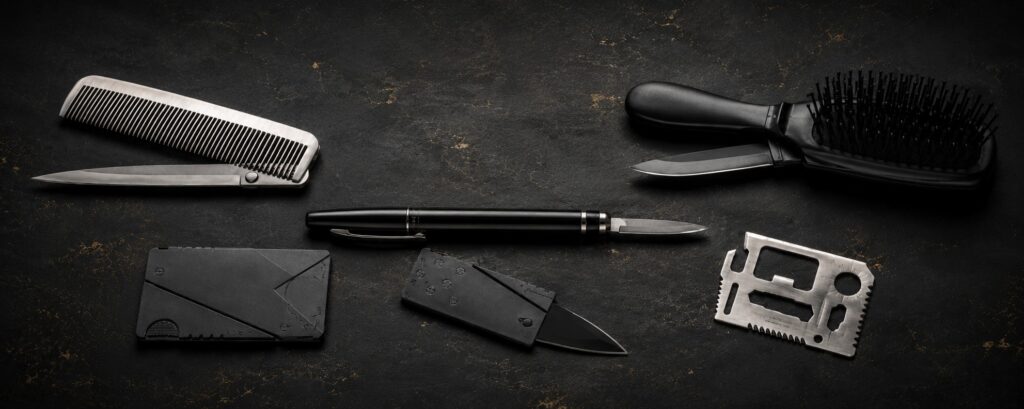
Disguised self-defense knives place a real blade inside an item shaped like a comb, pen, hairbrush, or card. The outside may look familiar, but the blade still makes it a knife under the law.
These compact knives can handle light cutting jobs and take up less room than many regular knives. Their unusual designs also create added safety, storage, and legal concerns that you should understand before buying one.
What Is a Disguised Knife?
A disguised knife is made to resemble another type of item when closed. The blade may be stored inside a comb, pen, hairbrush, card-shaped body, or another familiar object.
The design does not change what the product is. Once a real blade is involved, knife laws and location rules may apply.
Some states and cities may treat a knife made to look like another object differently from a regular pocketknife. Never assume a disguised knife is legal just because the blade is covered.
What Types of Disguised Knives Are Available?
The main differences are the outside shape, blade size, opening method, and way the knife is stored. Each design has its own benefits and limits.
Comb Knife
A metal comb knife stores its blade inside a comb-shaped cover. The model we carry has a 3.5-inch blade made from 420 stainless steel.
The complete knife measures approximately 6.5 inches long when assembled. It can handle light cutting jobs, but it should not be used for prying, chopping, or other heavy work.
Hairbrush Knife
A hairbrush knife stores a blade inside the handle of a brush-shaped body. It takes up more room than a pen or card knife, so the size of your storage space matters.
Check the blade, handle, and cover before every use. Do not use the knife if any part is loose, cracked, bent, or damaged.
Pen Knife
A pen knife places a 2.13-inch blade inside a pen-shaped body. The available models are working pens, but the hidden blade means they must still be stored and carried as knives.
A pen knife may fit into a smaller storage space than a comb or hairbrush knife. Keep it away from children and do not leave it where someone could mistake it for a regular pen.
Credit Card Folding Knife
A credit card folding knife has a flat black body that folds around a 2.75-inch stainless steel blade. A blade lock helps keep the blade secured while the knife is folded.
The folded knife measures approximately 3.38 inches long, 2.13 inches wide, and 0.13 inch thick. Its shape is close to the size of a credit card, but it is thicker than a normal bank card.
Do not assume it will fit safely in every wallet. Pressure from other items could press against the folding body or blade lock.
Is a Survival Business Card a Disguised Knife?
No. A survival business card is a flat multitool with several small functions. It is not the same as a credit card folding knife with a separate blade and folding handle.
The two products may have a similar card-shaped size, but they serve different purposes. The survival business card has been removed from this disguised knife comparison to keep the information accurate.
What Can You Use These Knives For?
These knives are best suited for light cutting jobs. Depending on the exact model, they may help open packages, cut tape, trim loose cord, or handle another small task.
They are not heavy-duty work knives. Their unusual handles may offer less grip and support than the solid handle on a regular folding knife.
Never use a small knife as a screwdriver, pry bar, chisel, or chopping tool. Side pressure and hard use may damage the blade or handle.
Are Disguised Knives Made for Self-Defense?
Some stores sell these products as self-defense knives, but carrying a knife does not guarantee your safety. A knife requires close contact and can make a dangerous situation worse.
Your first choices should be awareness, distance, leaving the area, and calling for help when possible. A knife should never replace a larger personal safety plan.
Know the laws where you live and understand the risks before carrying any knife for protection. Rules involving defensive use, concealed carry, and use of force can be different from basic ownership rules.
Are Disguised Knives Legal?
Disguised knife laws depend on the state, city, and location. Some places may restrict knives that look like pens, combs, cards, or other everyday objects.
Blade length, opening method, carry method, and intended use can also affect whether a knife is legal. A knife that is legal to own at home may still be restricted when carried in public.
Start with our knife laws by state guide. You should also check current state and local laws before ordering or carrying a disguised knife.
This article provides general information and is not legal advice.
Where Should You Never Assume a Knife Is Allowed?
Never assume a knife is allowed inside a school, courthouse, airport, government building, workplace, concert, sporting event, or other controlled location.
Private businesses and employers can also set their own rules. A property owner may prohibit knives even when state law does not.
Leave the knife at home when you cannot confirm the rules. Its outside shape does not give you permission to take it into a restricted place.
Can You Take a Disguised Knife Through Airport Security?
Do not take a disguised knife through an airport security checkpoint. A comb, pen, hairbrush, or card shape does not remove the rules that apply to its blade.
Security equipment may detect the metal blade. Trying to carry a disguised knife through screening could lead to confiscation, delays, or legal trouble.
Travel rules can also change. Check the current rules and your airline’s policy before packing any knife.
Can You Carry One in a Vehicle?
Vehicle carry rules vary by location. A knife stored in a glove box, center console, bag, or another closed space may be treated as concealed in some places.
Do not assume that keeping a knife inside your vehicle is always legal. Check the laws that apply to vehicle storage and concealed carry where you live and travel.
Heat, moisture, and movement inside a vehicle may also damage some materials. Inspect the knife regularly if you store it there legally.
How Do You Choose the Right Design?
Start with the job you need the knife to do. A small pen or card knife may fit light cutting jobs, while a regular folding knife may offer a stronger and more comfortable handle.
Compare these details before buying:
- Blade length and material
- Overall size
- Handle shape
- Opening and closing method
- Blade lock or cover
- Storage space
- State and local laws
- Rules at the places you visit
Do not choose a knife only because of how it looks. Make sure you can safely open, hold, close, clean, and store the exact model.
Are Disguised Knives Easy to Use?
That depends on the design. A comb or pen knife normally separates from its cover, while a credit card knife requires the body to be unfolded around the blade.
These extra steps may make a disguised knife slower to open than a regular folding knife. Small parts may also be difficult for someone with limited hand strength or movement.
Learn the opening and closing steps in a safe place. Keep your fingers away from the blade and never rush the process.
How Should You Store a Disguised Knife?
Store the knife closed and away from children. Do not leave it mixed with regular pens, combs, brushes, cards, or toys.
Someone who does not know it contains a blade could pick it up and get hurt. Tell other adults in the home what the item is and where it is stored.
Use a separate drawer, locked container, or another secure location when needed. Make sure the cover, lock, or folding body cannot open by accident.
How Do You Check the Knife Before Use?
Check the blade, cover, handle, and moving parts before using the knife. Stop using it if you find a crack, loose section, damaged lock, bent blade, or heavy rust.
Make sure the blade is seated correctly before cutting. A loose blade or damaged handle can slip and cause an injury.
Do not try to repair a broken knife with tape or glue. Replace it when it can no longer be used safely.
How Do You Clean a Disguised Knife?
Wipe the blade clean after use and dry it before putting it away. Moisture and debris can collect inside the cover or folding sections.
Keep your fingers away from the cutting edge. Follow the instructions for your exact model if oil or another type of care is needed.
Do not store the knife while it is wet. Even stainless steel should be kept clean and dry.
Would a Regular Folding Knife Be a Better Choice?
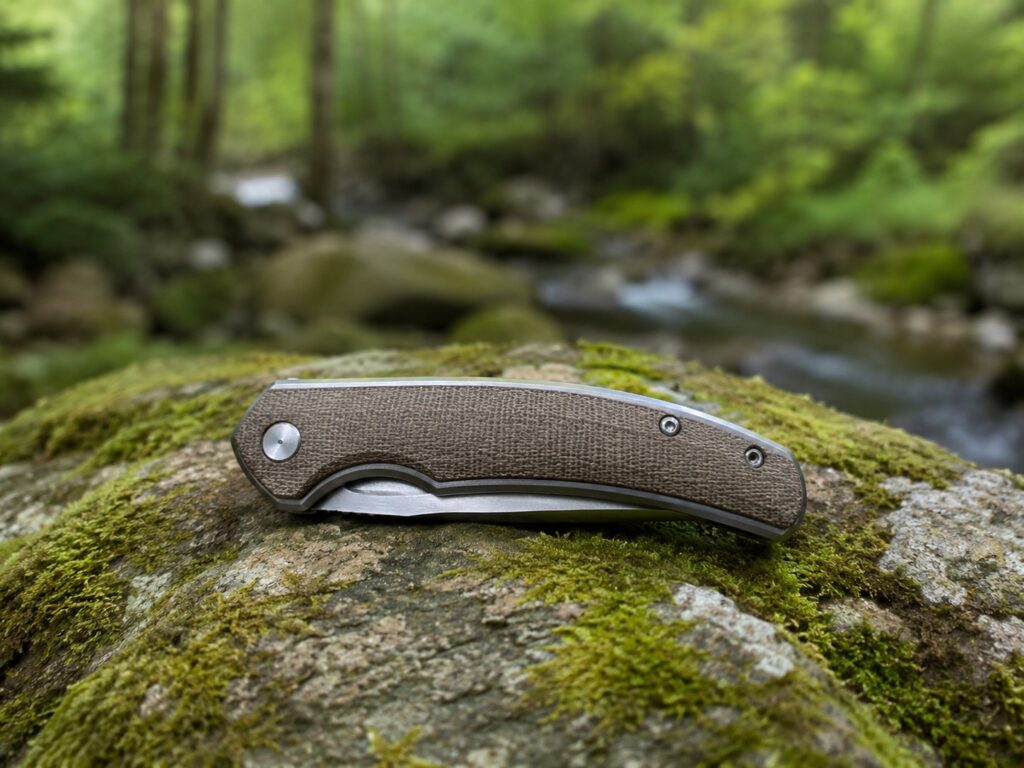
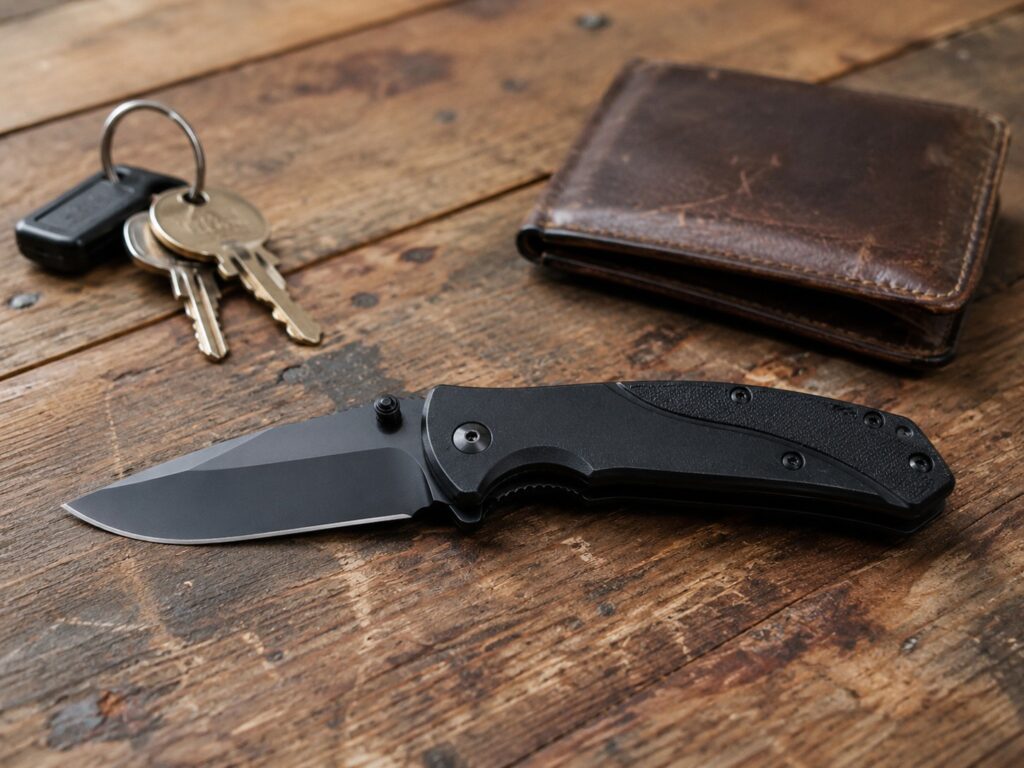
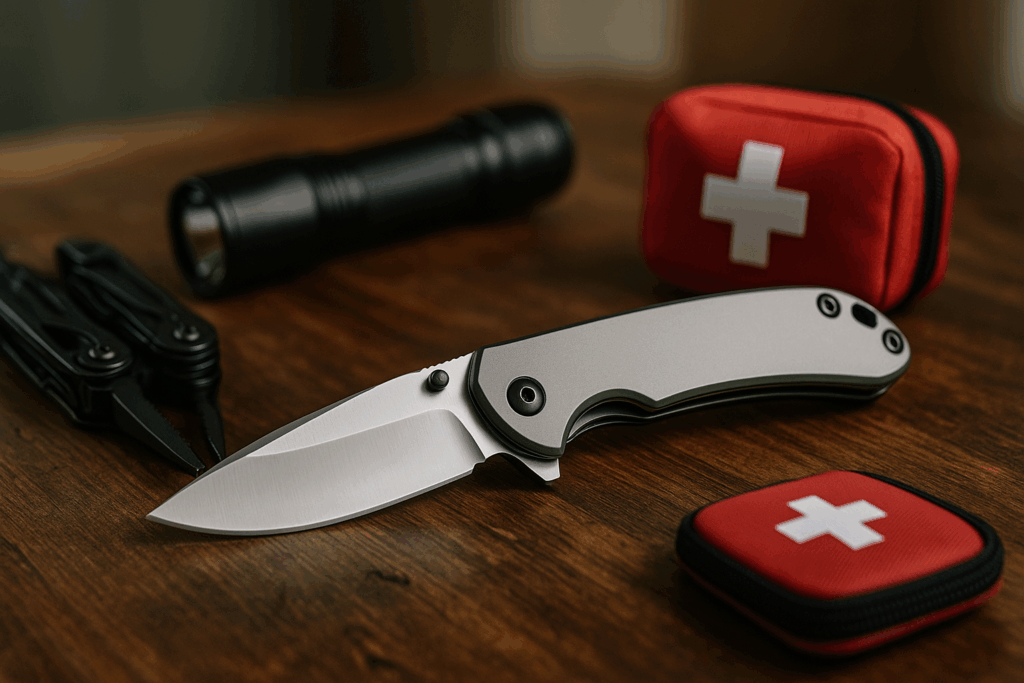
A regular folding knife may be better when you want a solid handle, a pocket clip, or easier opening. It may also be easier for other people to recognize and handle safely.
A disguised knife may fit someone who wants an unusual compact design for light cutting jobs and understands the added storage and legal concerns.
Neither type is right for everyone. Compare the complete selection on our self-defense knives page.
Frequently Asked Questions
What objects can disguised knives look like?
Common designs include combs, pens, hairbrushes, and flat cards. Each one contains a real blade and must be treated as a knife.
Is a credit card knife as thin as a real credit card?
No. The model we carry is approximately 0.13 inch thick. It is thicker than a normal bank card because it contains a blade, lock, and folding body.
Does the pen knife write like a regular pen?
Yes. The available pen knife models are working pens with a 2.13-inch blade stored inside the body.
How long is the comb knife blade?
The metal comb knife we carry has a 3.5-inch blade made from 420 stainless steel.
Can disguised knives go through metal detectors?
Do not count on that. These products contain metal blades that may be found during security screening.
Can you carry a disguised knife in a wallet?
That depends on the knife, the wallet, and local law. A card-shaped knife is thicker than a regular card, and pressure inside a wallet may press against its folding body or lock.
Are disguised knives legal in every state?
No. Laws vary, and some places may place special restrictions on knives made to resemble other objects. Check current state and local laws before buying or carrying one.
Are disguised knives allowed at school or work?
Do not assume they are allowed. Schools, employers, and property owners may ban knives even when state law allows ownership.
Are these knives made for heavy cutting?
No. These compact designs are better suited for light cutting jobs. A regular work knife may be a better choice for harder tasks.
Should You Buy a Disguised Knife?
A disguised knife may fit someone who wants a compact and unusual cutting tool for light jobs. Comb, pen, hairbrush, and credit card designs each provide a different size and way to store the blade.
The outside design also brings added responsibility. Check the law, store the knife safely, and make sure nobody can mistake it for a harmless everyday item.
Ready to compare your options? Visit our self-defense knife collection to see the disguised knives and folding knives currently available.
Thank you for trusting Self Defense Products LLC with your safety.

